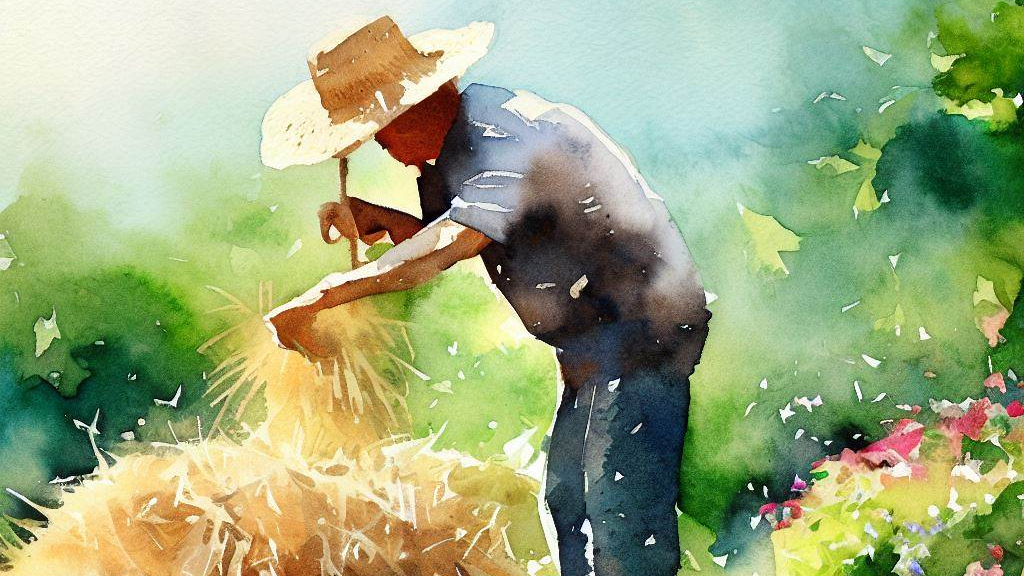
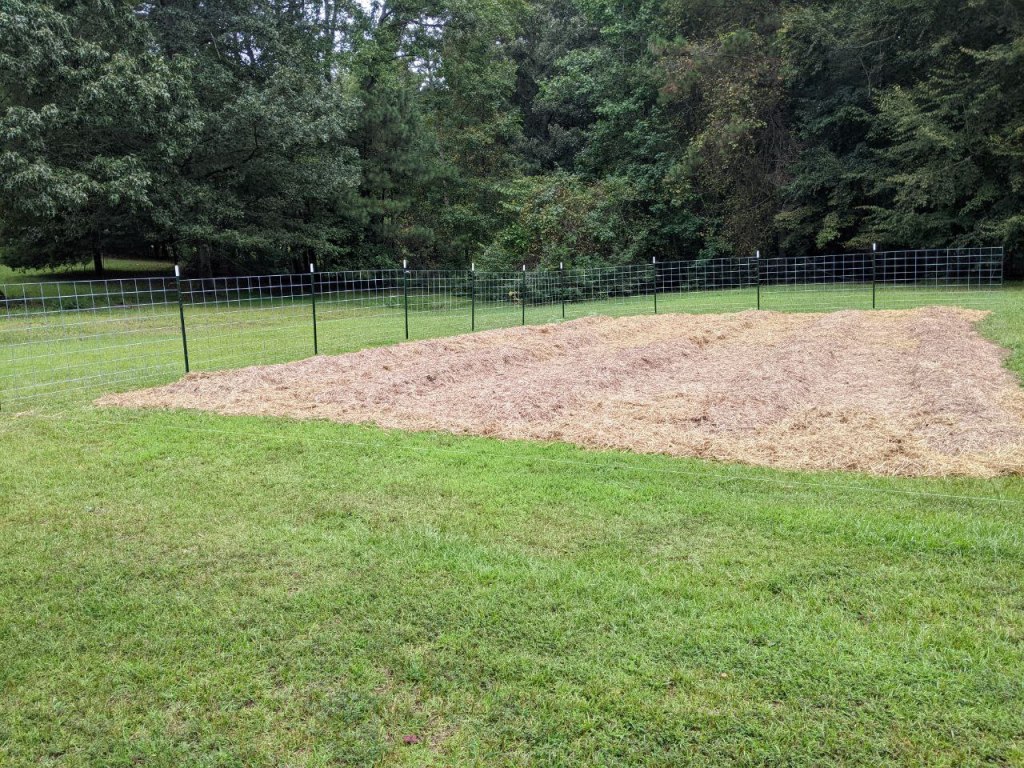
Many folks, including myself, use straw to mulch their gardens. Mulching is vital to vegetable and fruit production as it protects roots from freezing temperatures, retains moisture in the soil (reducing watering requirements), and suppresses weeds. While there are many pros to using straw in the garden, no mulch is perfect and without its negatives. Here’s the good and the bad of using straw in the garden.
Pros of Straw Mulch
Natural. Straw is a natural byproduct of wheat, making it a farm staple. It’s a great way to avoid introducing plastics into the garden.
Inexpensive. Straw is relatively cheap compared to wood mulches and the up-front costs of plastic mulch. Straw bales go for around $7 at the Home Depot in my area, but I think buying from local straw producers could bring this number down a couple dollars per bale.
Organic Matter. Straw integrates well with the existing soil as it breaks down, ultimately adding more carbonaceous material to your garden.
Aesthetics. Though subjective, I think a straw mulch says “homestead” or “natural garden” better than any other mulch. It exudes a farm-like vibe that other mulches don’t have.
Effective. Straw exhibits excellent mulching properties. Though light enough to avoid smothering small seedlings, it does not move much in the wind once on the ground. A few inches of straw will retain moisture in the soil. Even as little as an inch can make a big difference.
Portable. The common square straw bale is relatively easy to handle and apply. The only downside is that it requires a trailer or truck to get home, unless you don’t mind getting straw all over your car or van floor.
Multi-functional. Straw can be used for more than mulch around the garden, homestead, or farm. Straw is also great bedding for livestock and for adding some structure to muddy ground around the barnyard.
Cons of Straw Mulch
Contamination. I personally have not heard of anyone having issues with straw contaminated by pesticides. However, I have heard of manure being contaminated by residual pesticides in the hay fed to livestock. It’s entirely possible that contamination could occur with any purchased materials from an unknown source. If you can, test the straw mulch on a small fraction of your garden for a season before applying it everywhere.
Quick to Degrade. Though it lasts longer than many natural mulches, your straw mulch won’t outlast plastic or wood-chips, meaning you’ll have to purchase and apply straw more often.
Sprouting Wheat! Inevitably, the straw will contain some wheat heads that will germinate and result in wheat growing here and there in your garden. Though it is somewhat counter-productive in terms of weed suppression to use a mulch that produces “weeds” itself, the young wheat is very easy to spot and pull out with minimal soil disturbance.
The Verdict
Overall, straw – like any mulch – has its pros and cons, but I find its advantages warrant using it in my garden over most other mulches. Though I do aim to try some plastic mulches in parts of my garden next season, I will be sticking with straw for the bulk of my mulch. Besides its other pros, I love its smell and having a stack of straw in the barn.
Never stop growing,
Christian
 Born for the Barn